
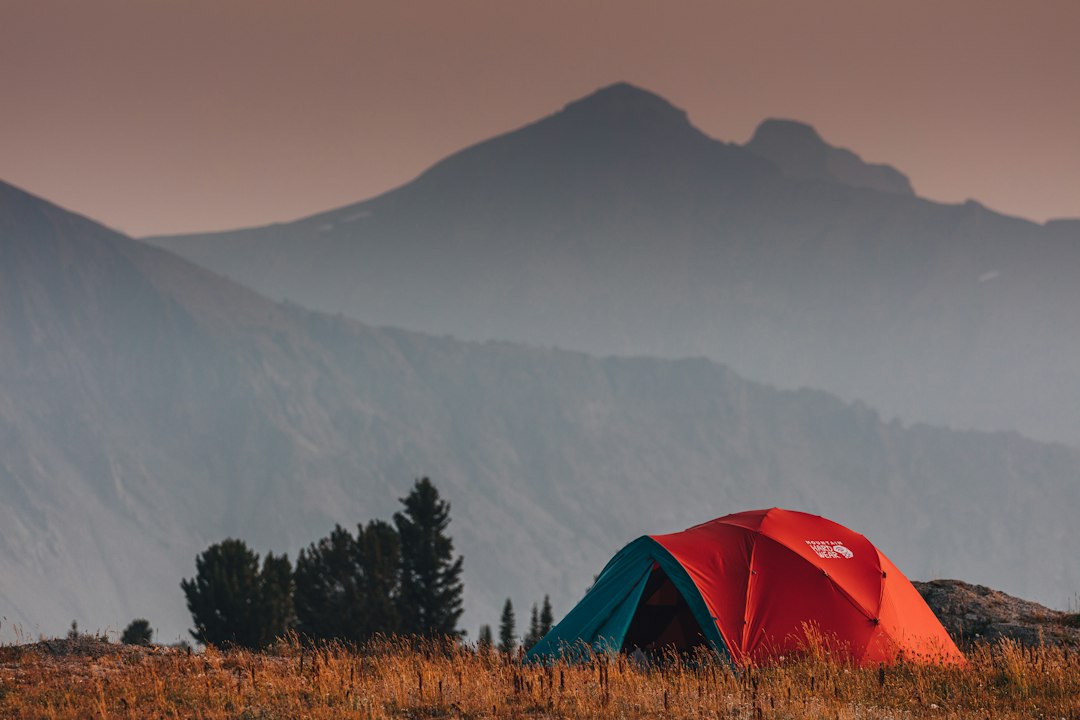
How to Choose the Best Tent for Your Camping Trip
Choosing the right tent for your camping trip is crucial for a comfortable and enjoyable…
Choosing the right tent for your camping trip is crucial for a comfortable and enjoyable outdoor experience. With a plethora of options available, it can be overwhelming to determine which tent best suits your needs. This guide will walk you through the essential factors to consider when selecting a tent, ensuring you make an informed decision that enhances your camping adventure.
Understand Your Camping Style
Your camping style significantly influences the type of tent you should choose. Are you a solo backpacker, a family camper, or an adventurous group of friends? Each scenario requires different tent specifications. For instance, solo campers may prefer lightweight, compact tents that are easy to carry, while families might need larger tents with multiple rooms to accommodate everyone comfortably.
Additionally, consider the terrain and climate where you plan to camp. If you’re heading to a windy area, a tent with a low profile and sturdy poles is essential. Conversely, if you’re camping in a warm climate, look for tents with good ventilation and mesh panels to keep the interior cool and comfortable.
Evaluate Tent Types
There are several types of tents available, each designed for specific purposes. Dome tents are popular for their stability and ease of setup, making them ideal for family camping. Backpacking tents are lightweight and compact, perfect for those who prioritize portability. If you’re planning a more luxurious camping experience, consider a cabin tent, which offers ample space and headroom.
Moreover, specialized tents like four-season tents are designed for extreme weather conditions, providing durability and insulation. Understanding the different types of tents will help you narrow down your options based on your camping needs and preferences.
Consider Size and Capacity
When selecting a tent, size and capacity are critical factors to consider. Tent sizes are typically categorized by the number of people they can accommodate. However, it’s advisable to choose a tent that offers a bit more space than the number of occupants. This extra room allows for gear storage and provides a more comfortable sleeping environment.
For example, if you’re camping with four people, a six-person tent would give everyone ample space to move around and store their belongings. Additionally, consider the height of the tent. If you’re tall or prefer to sit up while changing clothes, look for tents with higher peak heights to ensure comfort.
Check Weather Resistance
Weather resistance is a vital aspect of any camping tent. Look for tents made from durable, waterproof materials that can withstand rain and wind. The tent’s rainfly is an essential feature that provides an extra layer of protection against the elements. Ensure that the rainfly extends to the ground to prevent water from seeping in during heavy rain.
Additionally, check for features such as sealed seams and a bathtub floor design, which helps keep water out. If you plan to camp in colder climates, consider a tent with good insulation and a design that minimizes drafts. Being prepared for various weather conditions will enhance your camping experience and keep you safe.
Step-by-step plan:
Step 1: Determine your camping style and needs. Step 2: Research different tent types and their features. Step 3: Assess the size and capacity required for your group. Step 4: Evaluate weather resistance and material quality.